The Gamification Company

Author name: Rajib Chowdhury

Founder & Managing Director of The Gamification Company, he has over 26 years of experience spanning hospitality, travel, telecom and BPO industries. He has held senior leadership positions in organisations such as Hutchison Global Services, Virgin Mobile, Reliance and Convergys.

learning & development

Learning Management Systems – Is it Time for Something Different?

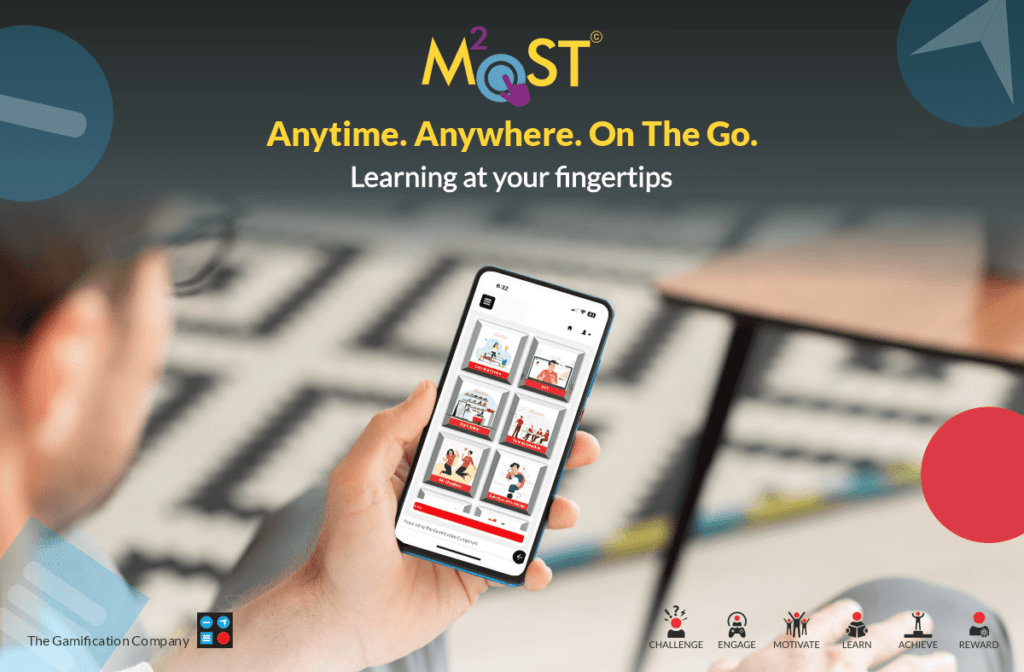
Learning Management Systems – Is it Time for Something Different? According to Brandon Hall Group research teams white paper on ‘LMS trends 2015 – Is it time for something different?’ (©2015 Brandon Hall Group), there are many demographic and cultural shifts occurring that are changing the learning landscape: Brandon Hall Group’s research tells us that 57% of learning now involves on-the-job activities and informal learning, while 43% involves formal learning. The power and ubiquity of mobile devices grows at an unrelenting pace. People are continually finding new and different ways to connect and share thoughts and experiences. Millennials, a completely digitally native generation, are poised to take over the workforce. All of these things are causing organizations to take a serious look at the ways in which they deliver learning. The truth is, for all the features and functions of the modern LMS, it is still a technology rooted in serving a very traditional purpose. While the Learning Management Systems (LMS) market has been successful over the last 15 years and technology continues to advance, it seems we are hitting a point of diminishing returns. Companies are demanding more new features, and ignoring much of the functionality that has been built into the systems in the past. The average satisfaction rating for feature sets has dropped consistently from 3.01 in 2012, to 2.95 in 2014, to 2.82 in 2015. Brandon Hall Group’s 2015 LMS Trends Survey indicates that companies are dissatisfied with basically every aspect of the systems they are using and are looking for better options. However, this may be the point in time where simply switching to another LMS is not the answer. Instead, companies seem to be longing for a different strategy altogether. This study – along with LMS Trends studies from previous years, and discussions with learning leaders, technology professionals, and LMS providers – has highlighted some critical calls to action to help organizations rethink their approach to learning technologies. Use Technology to Support the Learning Strategy, not Dictate it Solve Today’s Challenges, but Plan for the Future Leverage Technology for a Truly Blended Learning Experience Realize the Potential in Mobile, Collaborative and Cloud Technologies The shift is happening and its unstoppable! In some cases where organisations and leaders have embraced the shift and in some, where employees are forcing organisations and leaders to sit up and take notice. Low utilization of e-learning, LMS resources, falling attendance in classroom training sessions or the low attention spans displayed by participants in training programs are all symbolic of the fact that we need to seriously re-look at how learning is delivered today. The simple fact is, as a learner, I want flexibility, to learn when I want to, how I want to and where I want to. To deny this is akin to forcing me to do something that I don’t believe in and any learning that doesn’t appeal to the belief level is a colossal waste of time and money. It is a well known fact that for the present and future generations, the mobile device is an extension of their very being. Hence it is a given that learning through the use of mobile device is seeing and will continue to see a significant growth. Simpy put, the lack of time & the need to access learning anytime, anywhere and at my convenience will drive the increase. From an organisation perspective As an organisation, what is it that I really need from my learning systems; Relevance, Utilization & Cost. Given the speed at which both the technology and the millennials are evolving, I need a system that is in tune with the times and is constantly evolving. I need a system that is fun, easy and incredibly scalable. I preferably want a system that works on the OPEX model and not a CAPEX model. I would prefer to optimize my spend on the relevant content rather than an expensive system which quite likely may become redundant very quickly. Introducing M²OST M²OST is an innovative & disruptive smart device application based learning & development distribution platform. It brings together the learner, the knowledge provider, the content and the end customer on a common platform allowing them to collaborate and transact irrespective of time or geographical distances. M²OST application makes learning available anytime, anywhere and on your fingertips. All of this whilst giving you, the organization, 100% flexibility to control the distribution, who, when, what, how much etc. Through the use of the platform, it is guaranteed to improve the ROI of all your learning systems, processes and programs by improving utilization, effectiveness, efficiencies and reducing costs. It can distribute open, wall gardened and hybrid content with ease and instantaneously without any dilution. This platform is industry agnostic. It has an innovative 5 click query resolution format that allows the learner to identify and seek his information within 5 clicks. It has an integrated assessment center feature that allows you to build and distribute your own customized assessments. It even has the capability to host psychometric assessments. It has business to business, business to consumer or employee, consumer or employee to business and employee to employee use cases.

Learning Management Systems – Is it Time for Something Different? Read More »

The Call Center

Gamification In Call Centers – Series 2

Gamification In Call Centers – Series 2 “Go to work, get me the Master Blaster Badge, my son told me last night and that’s why I have come to work today, it is my off day actually.” – said Sarla, walking up to my co-founder, Carl who was in conversation with the head of operations, Sunil (name changed for privacy purposes), taking both of them completely by surprise. Sarla was a call center agent in one of our MNC banking client’s customer services call center which was transitioning from a cost center to a profit center. With sales metrics now becoming a part of the core KPIs, the existing large body of pure customer services agents needed to make new neural learning connections, overcome their fear of sales, and learn new selling skills. Suddenly faced with complete conceptual change, most agents reacted from the limbic brain leading to passive resistance. This was becoming a major roadblock, the transition was becoming a slow and tedious process. We were brought in to make the transition easier, bring is a cultural and mindset shift using gamification as a lever. This was within the month of our gamification strategy and platform implementation. “I can’t believe what I just heard, how did this happen?!”, said Sunil looking nonplussed and pleasantly surprised at Sarla as she walked away towards her workstation. Sarla was, at best, an average performer on the floor. She was not known as a person who ever took the initiative or for that matter showed much drive. This is where, I think, we had our first major learning as gamification evangelists, which has become the founding principle of TGC Ethos of Gamification. TGC Ethos 1: Every individual has a potential, Gamification optimizes THE POTENTIAL of the individual. As appreciative inquiry practitioners, we took a different approach towards implementing the gamification strategy in the call center.  We looked at the performance distribution on the floor, broke it down into quartiles, and set stretch targets accordingly. We backed that up by aligning our platform game mechanics to the quartiles, which included points, badges, leaderboards and rewards. What that did, whilst the sense of competition was retained, it levelled the playing field between the naturally top performers and the average/below average performers. In the conventional approach, the latter when compared to the best would lose motivation right at the outset, leading to limbic brain responses – resistance and disengagement. This simple approach generated self-motivation, confidence and a sense of achievement led by a belief that ‘I have potential, I can push myself to achieve my potential and that I will be rewarded for achieving my potential.’ By gamifying the belief, we helped agents develop their own visions of success and an innate desire to learn new skills to achieve that vision. Sarla was just an example of what was happening on the floor. In a short period of time, we saw a change in the overall energy on the floor. Suddenly the floor was buzzing with a renewed sense of vigor and excitement. Call centers are led and run by humans, subsequently, call center gamification should naturally be human focused design, aimed at recognizing the potential in the human and help in optimizing the same.

Gamification In Call Centers – Series 2 Read More »

Revolutionizing Call Centers

Gamification In Call Centers – Series 1

Gamification In Call Centers – Series 1 It’s been a while since I moved out of active call center operations. Having said that, I have stayed in touch by leading and delivering quite a few high-impact strategic and culture transformation projects in large MNC contact centers. Also, as a gamification evangelist and the founder of THE GAMIFICATION COMPANY, I have had the opportunity to implement gamification solutions in my projects. The journey has been insightful. It has led me to believe that the BPO industry is one place where gamification will continue to evolve and add value for a long time to come. This is because of the human factor. Currently at both ends and maybe, just maybe, in the future, only at one, there are and will be humans. As long as there are humans involved, the human factors of motivation, engagement, learning, resistance, etc. will play a significant role. Gamification is a human-focused design and will continue to impact those factors positively. With generations changing, the flavors may evolve but the ingredients and recipe will remain the same. Through this blog series – GAMIFICATION IN CALL CENTERS, I am attempting to unravel the layers that exist in the science of gamification. I intend to take it beyond the conventional understanding of points, badges, leaderboards, and rewards, beyond the realm of competition, winning and losing, and beyond the realm of application limited to learning solutions. I intend to take it deeper, into the core beliefs, actions, behaviors, processes, and ultimately achievement of sustained business outcomes. I strongly believe, if call center managers understand the concepts and power of gamification, they will not just be empowered but will be the torchbearers of how human-focused transformation can happen. Here’s the first of the series, feel free to share your thoughts, connect and explore your ideas on how can we use gamification to make the life of an agent better, as a consequence, all of ours as well who do connect with them from time to time. BLOG SERIES 1: TECHNOLOGY IS SEXY, HUMAN TOUCH IS STILL THE GAME CHANGER. In the present day, while we as customers expect a seamless, omnichannel, and personalized experience when interacting with call centers, the human factor remains a critical component of the call center experience. Technology has reduced the propensity of our having to connect with call centers, but it has increased the complexity of the issues with which we call them. When that happens, the human factors impacts our experience in call centers: Empathy and emotional intelligence: We want to feel heard and understood. We want the agents to listen actively, show compassion, and connect with us on a personal level. Personal touch: Even in the age of technology and automation, the fact is, we still appreciate the personal touch. Agents who take the time to address us properly, use a friendly tone, and build rapport can make a big difference in our experience. Problem-solving skills: We expect call center agents to be able to help us resolve our issues quickly and efficiently. Agents with strong problem-solving skills can quickly diagnose and resolve issues, leaving us feeling satisfied with the resolution and the overall experience. Communication skills: The question is, do we expect the call center agent to be the most eloquent and articulate person in the world, certainly not! But what we do expect is that the agents can articulate solutions clearly and concisely, listen actively, and adapt their communication style to ours. Continuous improvement: Every time we call, we do hope and expect that the experience will be better than the previous time. The best call center agents are always striving to improve their skills and deliver a better customer experience. They are receptive to feedback, eager to learn, and constantly looking for ways to improve their performance. Makes you wonder if we are asking for a ‘Super-Agent’, who exists exactly where our superheroes do, in our imagination and in our movies. The answer is no, what we need are agents who are better trained, motivated, and engaged enough to care. Overall, while technology and automation play an important role in the call center experience, the human factor remains critical and generally unaddressed. Call center managers need to prioritize the recruitment, training, and development of agents with a strong focus on the interpersonal skills, problem-solving abilities, and sound technical knowledge. This means cognitive flexibility, commitment, openness, and willingness towards continuous improvement needs to be displayed across all levels in the call center, right from the top management to the agents. This is where the real difficulty lies, when faced with change, the natural human mind responds from the limbic brain, with resistance or variable commitment. Whether it is changing the hiring, training and performance management practices that were developed with the advent of call centers decades back or adapting to the learning needs to the new age call center agents, the change process is a rather arduous one. And this is not because of technology, rather it is the human resistance to change at play. It is this human factor where gamification comes into play. Using gamification to suppress the limbic brain and activate the prefrontal cortex is an effective way to amplify learning and business outcomes, leading to improved employee focus, performance, and motivation. By providing a sense of autonomy and mastery, and encouraging social connection, call center managers can create a more engaging and productive work environment.

Gamification In Call Centers – Series 1 Read More »

performance management system

Gamification – Does it work?

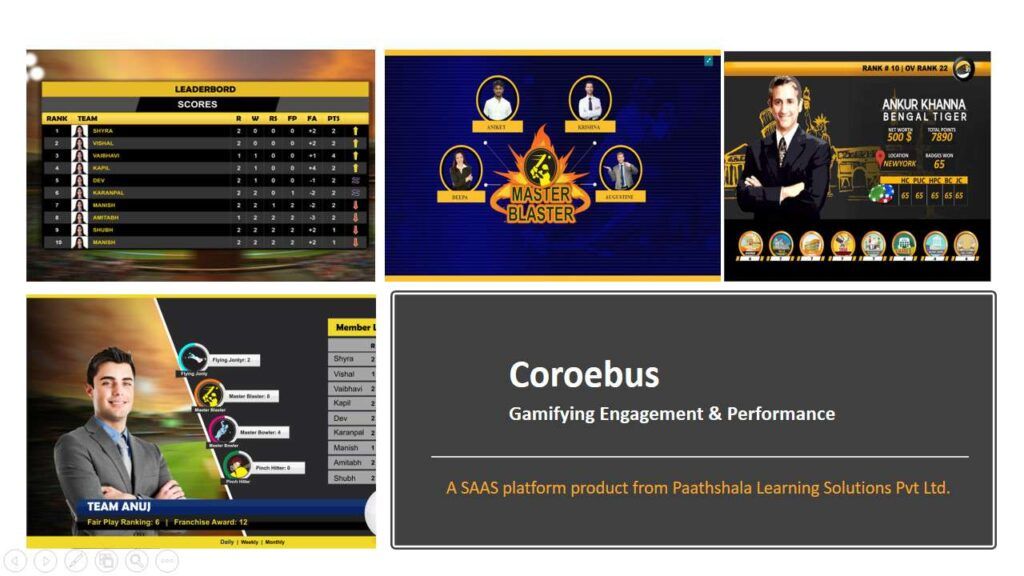
Gamification – Does it work? Have you been wondering if Gamification is just a buzz word or if it really does work? Having successfully implemented a gamification platform with a top MNC bank, I can tell you for sure, it does! I have seen some amazing performance transformations and engagement levels in the journey, change in water cooler conversations from idle gossip to winning points and badges, child prodding his mother to perform better so that she could bring in home a master blaster badge, one employee even changed his mind about quitting. Having said that, there have been some learnings. If you are in the midst of a roll-out or are planning to bring in gamification into your organisation, I would urge you to keep the following aspects in mind. I call them the ‘Ethos of Gamification‘. Have a sponsor at the senior level: We were lucky that we had a couple of extremely engaging and positively challenging sponsors for the program. It helped drive the engagement and the concepts both, up the line and down the line. Whilst one sponsor constantly challenged us to make the program better, the other sponsor’s infectious energy levels brought the program alive. Clear tangible outcomes: Be very sure of the outcomes you are seeking from your gamification platform/program. There has to be a measurable tangible impact on either the top-line or the bottom-line. Increase in Sales, improvement of margins by reducing costs, improving customer experience or build engagement, as long as you have a measurable outcome set right at the beginning, the program is sustainable. Keep it fun & engaging: Gamification is not a replacement for your performance management system, don’t make it one. Neuroscience of play states that we are at our productive best when we are in a state of play. It allows for our withheld intelligence to come out because our threat responses are suppressed. The game design, platform launch, dashboards, rewards etc all have to be aligned towards keeping it fun and engaging for 100% of the participants. This brings me to the next point. It is for your average and bottom performers: Simply because your top performers will perform in-spite or despite of gamification. Your game design, target setting etc must factor for the fact it encourages every individual in the team to perform at their optimum potential. It is those incremental improvements across the board that will give you the quantum jump that you are seeking from the program. Target setting: Set targets which are a stretch but achievable. Gamification is not a magic wand that will help you achieve the impossible. Every individual in the team having the same target is akin to thinking all my team members are Usain Bolts. Bucket the participants in ranges as per their performance and set stretch targets for those specific buckets. Important aspect to keep in mind is to ensure that the outliers are taken out of the equation else target setting is bound to be erroneous. Another factor is that the target setting & the platform must also factor for the checks and balances to keep the poor behaviors away. It’s not about Points, Badges & Leader: The most common misconception that exists is that as long as I have fancy points, badges and leaderboards, gamification will be successful. Gamification is about engaging at the core belief level. Its about tapping into those core drivers that make us push ourselves that little extra step more than what we would do normally. Read up on Yu Kai Chau’s ‘Octalysis principle‘ or better still watch his video on YouTube before you start working on your gamification program. Reward & Recognize – Its not all about : The reward & recognition strategy is critical to the long term sustainability of the program. There has to be a healthy balance between intrinsic and extrinsic rewards. Sometimes, a pat on the back in front of the entire team can go a longer way than a monetary reward. Also, do not go overboard on extrinsic rewards. You may be tempted to give out iPhones, expensive watches, cars, bikes etc, which, understandably will have to sit in the topmost percentiles of the performance curve. The real question to ask here is, if that’s going to motivate the real target segment of people gamification is designed for or will they just give up even before they have started. It has been an exciting journey, consulting with the client, helping them get their gamification strategy right, conceptualizing, designing, developing and implementing Coroebus, our Gamification Platform.

Gamification – Does it work? Read More »

training programs for employees

Amplification of Organizational Performance and Individual Outcomes using Gamification – A Case Study

Amplification of Organizational Performance and Individual Outcomes using Gamification – A Case Study In my previous blog post, I discussed how gamification can revolutionize the new norm of work. In this post, I’d like to explore how gamification can be harnessed to amplify both individual and organizational outcomes. Many of us have experienced the pressure to perform our best at work – whether it’s driven by deadlines, caffeine, or the promise of a big bonus. But the truth is, these stressors can often take a toll on our mental and physical well-being, and ultimately hinder our performance. In fact, this “always-on” mentality has become a norm in many workplaces, but it’s not necessarily the most effective way to achieve our goals. Disengagement in the new norm? In today’s fast-paced work environment, the traditional goal-oriented approach to work culture has struggled to keep up with the pace of change. The rapid evolution of technology and market ecosystems, as well as the changing thought processes and behaviours of the younger generation entering the workforce, has led to a lack of engagement in the workplace. This has resulted in rising attrition rates, falling productivity, and a talent drain. Traditional top-down approaches to rewards and consequences management are no longer effective and can even be counterproductive over time. Limited social interaction in the current and possibly future working environment exacerbates this issue. While going digital can help, it is essential to focus on the “human” factor in the entire process. This is where gamification can make a difference. By leveraging the principles of play and intrinsic motivation, gamification can help individuals tap into their natural curiosity, creativity, and desire to achieve. Rather than relying on external stressors, gamification can create a more engaging, enjoyable, and ultimately effective way to approach work. To build engagement from the bottom up, gamification can be a powerful tool. Gamification drives self-motivation and takes the disengaged brain into a state of play, leading to higher levels of engagement and belief in the task at hand. In this blog, we will discuss a case study that showcases how gamification successfully built employee engagement and amplified organizational performance in a complex, remotely distributed multinational organization with a traditional brick-and-mortar structure. The prelude The company, a major Engineering, Manufacturing and Projects player in India with a worth of 21 billion USD, embarked on its digital journey in 2016. Despite the implementation of numerous digital solutions on a regular basis, it was evident that a unique and innovative approach was necessary to effect the desired transformational change in an industry where “human capital” was of paramount importance. During a cross-functional meeting, the heads of digital and HR brought up the concept of gamification, which seemed like a potential solution. Given the industry’s context, they cautioned the team to proceed with care, but the idea resonated with everyone and the pieces began to fall into place. Can gamification be effective in traditional brick-and-mortar business settings? Many people in the industry were skeptical about whether gamification could be applied in conventional brick-and-mortar business environments. There were doubts about whether it could be executed digitally without disrupting productivity, and whether it could truly bring about long-term change. People were also wondering how to make it understandable, appealing, and motivating, and how it could contribute to business performance. The Projects business, being a steel and concrete industry, had problems for being dull and uninteresting. Despite the confusion surrounding gamification, the leadership decided to consult with us, The Gamification Company, (operating under the umbrella of Paathshala Learning Solution) on how to implement it effectively. After several discussions, we raised awareness about how gamification principles could transform human behaviors, and the team began to move forward with implementing the plan. In addition to our expertise as gamification evangelists, we were fortunate to have developed an innovative gamification platform called COROEBUS™, which we were able to offer to the organization. Step 1: Defining the desired outcome – The Have By applying the ‘Ethos of Gamification’, which we practice at TGC, the initial step of the initiative was to clearly define the expected results, both tangible and intangible. As we progressed, it became apparent that there were multiple outcomes visible, both tangible and intangible. One of the most significant and sustainable results identified by the leadership was to instil a sense of discipline and efficiency in Billing and Collections, while also driving digital adoption, reducing working capital, and improving productivity. Step 2 – Identifying the GAMIFICATION theme The gamification initiative was designed around cricket, a popular sport and almost a religion in the Indian subcontinent. The backdrop of a well-known cricket tournament, TIPL (Transportation Infrastructure Premier League), was used as a central theme. With the cricket theme available on the Coroebus platform, designing the game and execution became relatively easy. The selection of the theme was crucial as it was the first time such an initiative was introduced in a very traditional organization. The theme had to appeal across various levels, age groups, and genders. Step 3 – Defining the engagement levers – The ‘Do’ To ensure high engagement levels, the business KPIs that would drive the desired outcomes were aligned with game elements in a critical exercise. The alignment had to be designed based on the frequency of available data as a continuously moving scoreboard was essential. The scoring runs in cricket were aligned with the business KPI of the daily progress report, as it was the first thought that came to mind when thinking about cricket. The Coroebus platform’s built-in balanced scorecard mechanism ensured that all KPIs were subliminally focused on. To drive “digital adoption,” the organization’s digital tools were used as the only data source for the KPIs. Step 4: Driving Engagement: Using Neuroscience of Play & “Yu Kai Chou’ inspired Octalysis Principles – The ‘Be’ Throughout the gamification initiative, Octalysis principles were implemented at multiple levels and layers. The primary objective was to create a sense of ‘Accomplishment’ and ‘Ownership’ at the project level by using leaderboards

Amplification of Organizational Performance and Individual Outcomes using Gamification – A Case Study Read More »

Gamification – The Game Changer

Gamification – The Game Changer As the world begins to emerge from the COVID-19 pandemic, it’s become increasingly clear that sustained behavior change and engagement are more critical than ever. With social distancing, remote work, and reduced in-person contact becoming the norm, our daily lives – both personally and professionally – have undergone a rapid transformation. This transition to a more technology-driven and socially-distanced world was already underway, albeit slowly. However, the pandemic has drastically accelerated this timeline and caught many of us off guard, emotionally, socially, and infrastructure-wise. We must make significant changes to every aspect of our lives to adapt to this new reality, including how we interact and engage with others. Unfortunately, our brains are wired to resist change, particularly when it comes to sudden and major cultural shifts. This is due to our limbic brain’s natural threat response, which makes it harder for us to accept and adapt to new circumstances. However, accepting change is a crucial skill that we must learn in order to navigate this new normal effectively. As businesses navigate the post-COVID landscape and adapt to new ways of working, they’ll need to quickly revamp their processes, up skill their workforce, and increase productivity to survive in a challenging economic environment. To achieve these goals, organizations will need to foster a culture of learning, engagement, and accountability. This is where gamification can be a game-changer. By leveraging the neuroscience of play, gamification can activate the subconscious brain and spark engagement at a fundamental level, leading to transformative shifts in behavior and ultimately driving positive business outcomes. This approach is especially valuable in overcoming resistance and fatigue in an overtaxed conscious brain, which may hinder motivation and productivity. At TGC, we’ve achieved remarkable results by combining gamification principles with other key behavioral sciences such as Appreciative Inquiry and Value Creation Process. By leveraging these approaches, we’ve observed sustained and positive impacts on critical human processes that drive success in organizations. Our approach has resulted in tangible benefits across several key areas, including amplified organizational and individual outcomes, improved organizational processes, sustained engagement and enhanced learning outcomes, and even nation-building and sustained behavioral transformation at a social level. In our upcoming blog posts, we’ll dive deeper into case studies and concepts that demonstrate the power of gamification as a tool for driving behavioral transformation in organizations, institutions, and society as a whole. When implemented effectively, gamification can be a truly transformative force for positive change.

Gamification – The Game Changer Read More »